5G slicing is a feature of the 5G network that allows the creation of multiple virtual networks on a single physical mobile network infrastructure. Each virtual network segment, or slice, can be tailored to the specific requirements of an application or user.
5G slicing: guaranteed priority for critical applications
Published on 21/08/2026 in Customer talks
Running several applications at once strains networks. 5G slicing offers a solution: isolated network segments, guaranteed bandwidth and low latency. Find out how it works and the results achieved by the Royal Belgian Football Association (RBFA).
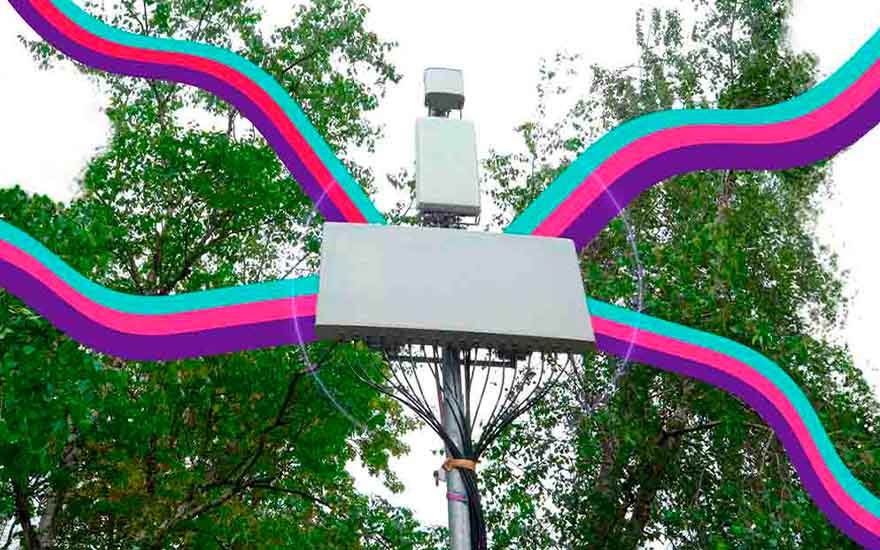
What is 5G slicing?
Talk to an expert Opens a new window
What are the benefits of 5G slicing?
The RBFA case study demonstrates how 5G network slicing supports applications that require reliable connectivity. However, the technology also provides benefits and opportunities for other business-critical applications.
Guaranteed capacity, even during high demand
Not all applications have the same network requirements. With 5G network slicing, multiple applications can simultaneously access the network capacity they need. This ensures the network remains stable, even when the number of users increases significantly.
Low latency for real-time applications
Some applications require a fast response from the network. 5G network slicing enables low latency and is therefore suitable for applications where real-time communication and rapid response are essential.
High reliability of dedicated network segments
Critical applications can operate within a virtual network segment dedicated to them. This ensures they have the necessary priority and capacity, even when other applications are placing heavy demands on the network.
Cost efficiency thanks to a single physical infrastructure
5G network slicing creates multiple virtual networks on a single physical infrastructure. It is not necessary to provide a separate network or physical backup network for each application, which reduces the need for additional infrastructure and lowers costs.
From events to autonomous applications
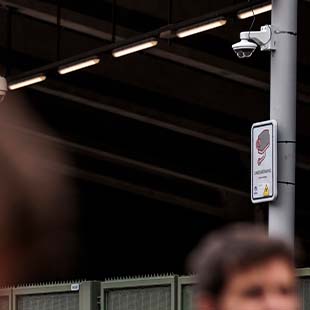
The possibilities of 5G slicing extend beyond events. The technology can also support applications that require a reliable and fast mobile connection, such as autonomous vehicles, video surveillance, smart manufacturing environments, and logistics applications.
5G network slicing in practice: the RBFA case study
Talk to an expert Opens a new window
5G slicing during a match in front of 42,000 spectators
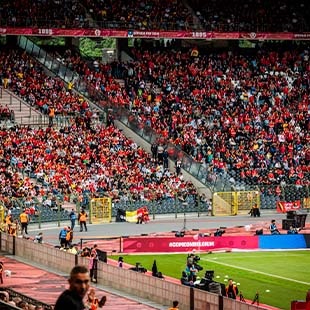
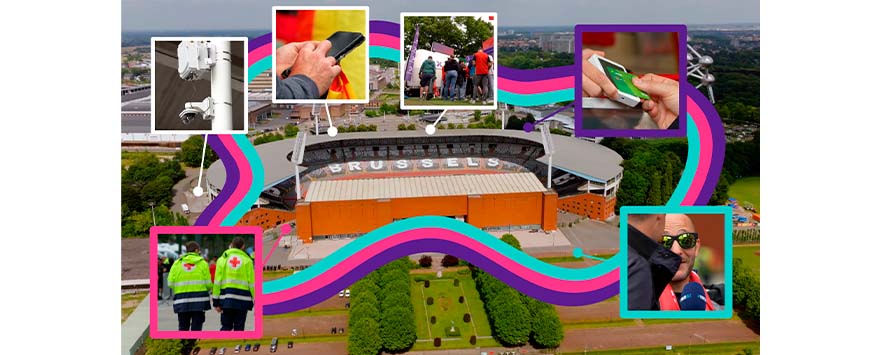
The Royal Belgian Football Association (RBFA) used a packed stadium as a test environment for 5G slicing. With over 40,000 spectators, the challenge was clear: the mobile network needed to handle a high volume of user traffic, while ensuring a reliable connection to critical applications. This example demonstrates how 5G network slicing can simultaneously support multiple applications.
Low latency during live broadcasts
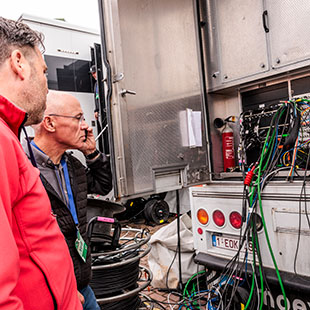
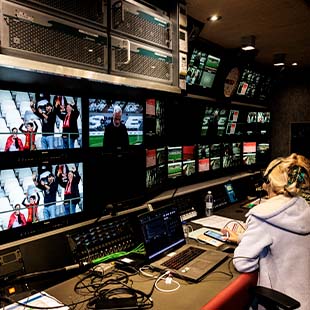
For DPG Media, reliable connectivity is essential for delivering live broadcasts from the stadium. Thanks to a dedicated 5G segment (or ‘slice’) from Proximus, the media company was able to broadcast the footage live, even with thousands of spectators using the network.
Reliable connectivity for healthcare professionals
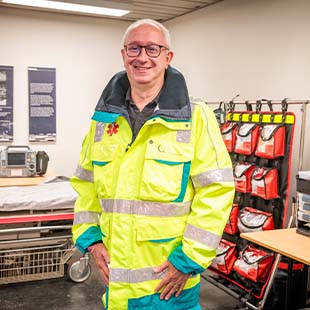
For medical applications, a reliable connection can make all the difference. During a procedure in the operating theatre, the hospital can use 5G slicing to monitor a patient’s condition. Images and measurements, including vital signs, can be transmitted quickly. This enables the hospital to prepare for the patient’s arrival.
Guaranteed connectivity for cashless payments
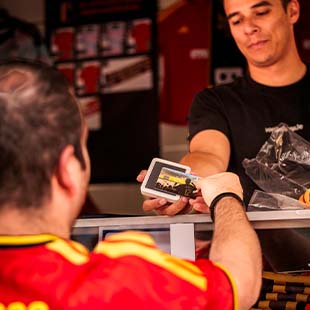
Cashless payments also depend on a reliable network connection. At events, heavily used networks can slow down transactions. Thanks to 5G network slicing, payments are processed quickly, reducing waiting time for both staff and visitors.




Can 5G slicing address your critical challenges?
The RBFA case study demonstrates how 5G slicing can ensure the reliability of critical applications, even in a heavily used environment. Would you like to explore the possibilities this offers your organization? Our experts can help you identify the most relevant use cases.
-
-
5G slicing makes it possible to provide specific network capacity and a stable quality of service, even when the mobile network is heavily used. This ensures that critical applications can continue to operate reliably.
-
5G slicing can be used for applications that require a reliable connection, low latency, or guaranteed network capacity. It can be used for live broadcasts, medical applications, and cashless payments, as well as for autonomous vehicles, remote control, process automation, logistics, and real-time mobile video surveillance.
-
Media organizations, emergency services, and other organizations with business-critical applications are able to use 5G slicing for reliable communication and data transmission, for example during major events and critical operations.
-
5G slicing is expected to become increasingly widespread as more applications require reliable, fast, and stable mobile connectivity. Potential applications include manufacturing, logistics, and smart cities.